Legacy of Atlantis menghadirkan kembali petualangan Lara Croft dengan grafis modern dan gameplay yang diperbarui, sambil tetap mempertahankan esensi dari game original yang ikonik. Dengan teknologi terbaru di PS5, game ini akan memberikan pengalaman petualangan yang lebih imersif dan mendalam.
Tomb Raider: Legacy of Atlantis – Remake Klasik dengan Peningkatan Modern
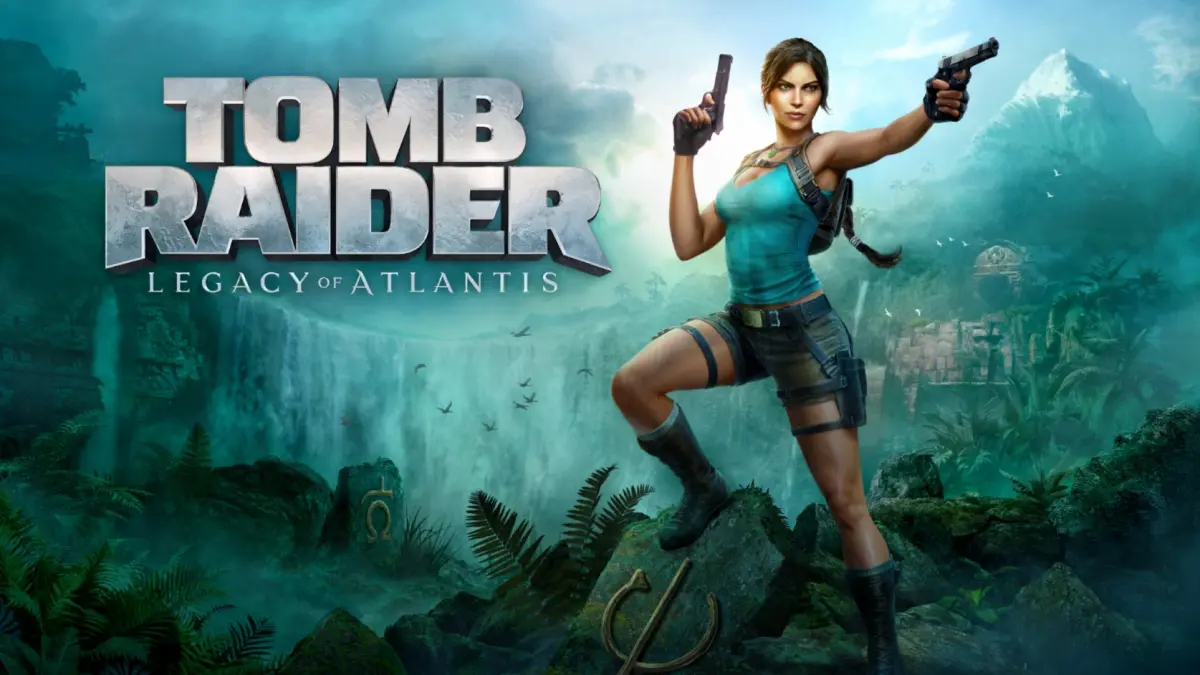
Para penggemar game petualangan klasik kini bisa menantikan Tomb Raider: Legacy of Atlantis, sebuah remake dari game Tomb Raider (1996) yang legendaris. Game ini akan hadir di PlayStation 5 pada 12 Februari 2027, setelah sebelumnya dijadwalkan rilis lebih awal namun mengalami penundaan untuk penyempurnaan. Untuk menemukan informasi lebih lanjut tentang game-game petualangan terbaru, kunjungi musang86 yang selalu menyajikan berita gaming terupdate.
Yang bikin Tomb Raider: Legacy of Atlantis menarik adalah kesempatan untuk menikmati kembali salah satu game paling berpengaruh dalam sejarah industri dengan peningkatan yang signifikan. Bagi penggemar Lara Croft dan game petualangan klasik, remake ini adalah alasan sempurna untuk kembali ke dunia Tomb Raider.
Yang bikin Legacy of Atlantis makin menarik adalah keseimbangan antara nostalgia dan inovasi. Crystal Dynamics berhasil mempertahankan esensi game klasik—eksplorasi makam, teka-teki rumit, dan atmosfer misterius—tapi dengan kontrol dan visual yang jauh lebih modern. Ini bukan cuma sekadar remaster, tapi remake yang benar-benar terasa segar.
Lara versi klasik di game ini juga punya kepribadian yang lebih ceria dan penuh rasa ingin tahu, beda dengan versi reboot yang lebih serius. Ini bikin game terasa lebih ringan dan petualangan terasa lebih menyenangkan. Buat yang kangen sama Lara Croft lama, ini adalah kembalinya yang ditunggu-tunggu.
Visual dan Atmosfer yang Diciptakan Ulang dari Nol
Salah satu daya tarik utama Tomb Raider: Legacy of Atlantis adalah pendekatan visual yang benar-benar baru. Crystal Dynamics tidak sekadar meningkatkan resolusi tekstur atau menambahkan efek pencahayaan sederhana; mereka membangun ulang setiap lokasi ikonik—mulai dari gua-gua bawah tanah di Peru, reruntuhan kolosal di Yunani, hingga kota misterius di dasar laut—dengan detail yang luar biasa. Penggunaan teknologi Unreal Engine 5 memungkinkan pencahayaan dinamis yang realistis, bayangan yang hidup, serta tekstur batuan dan air yang tampak nyata. Atmosfer setiap makam kini terasa lebih mencekam dengan efek partikel debu yang beterbangan, tetesan air yang jatuh dari langit-langit gua, serta suara gemuruh bumi yang membuat jantung berdegup kencang. Bagi para pemain yang tumbuh dengan versi poligon tahun 1996, visual ini akan terasa seperti mimpi yang menjadi kenyataan.
Kontrol dan Gerakan yang Lebih Halus namun Tetap Klasik
Salah satu tantangan terbesar dalam meremake game klasik adalah menyesuaikan kontrol tanpa menghilangkan ciri khasnya. Di Legacy of Atlantis, Lara Croft digerakkan dengan sistem kontrol hibrida yang menggabungkan presisi gerakan tank-control opsional dengan skema analog modern yang lebih intuitif. Pemain baru dapat langsung menikmati pergerakan yang mulus dan responsif, sementara mode klasik tetap tersedia bagi mereka yang merindukan tantangan melompat dengan sudut sempurna ala tahun 90-an. Animasi Lara juga diperhalus secara drastis—mulai dari gerakan memanjat tebing, berenang di bawah air, hingga akrobatik melompati jurang—semuanya terlihat natural tanpa kehilangan sentuhan ikonik yang membuat Lara dikenal sebagai petualang tangguh. Sistem kamera pun dikembangkan ulang agar lebih fleksibel, memberikan sudut pandang sinematik yang memperkuat sensasi eksplorasi.
Teka-Teki yang Diperluas dengan Mekanisme Baru
Warisan terbesar dari Tomb Raider asli adalah teka-tekinya yang rumit dan penuh logika. Dalam remake ini, setiap teka-teki klasik tidak hanya dipertahankan, tetapi juga diperluas dengan mekanisme baru yang memanfaatkan kemampuan fisik Lara, seperti menggunakan tali panjat untuk menggerakkan pilar batu, memanfaatkan aliran air untuk membuka pintu rahasia, atau bahkan menyalakan obor untuk mengaktifkan mekanisme kuno berbasis cahaya. Beberapa ruangan juga dilengkapi dengan sistem teka-teki dinamis yang berubah setiap kali pemain gagal, sehingga tantangan terasa lebih organik dan tidak mudah ditebak. Selain itu, ada tambahan ruang rahasia yang sepenuhnya baru, berisi artefak-legenda yang menceritakan lebih dalam tentang peradaban Atlantis yang hilang, memberikan alasan ekstra bagi eksplorator ulung untuk menyisir setiap sudut permainan.
Kisah yang Diperkaya dengan Dialog dan Karakter Pendukung
Narasi dalam Legacy of Atlantis juga mendapat penyegaran signifikan. Alih-alih hanya mengandalkan potongan teks dan narasi pembuka, remake ini menghadirkan adegan cutscene yang sinematik dengan pengisi suara profesional untuk Lara dan karakter-karakter pendukung seperti pengusaha misterius Jacqueline Natla, rival arkeolog Pierre Dupont, serta sahabat setia Larson. Dialog-dialog baru ditambahkan untuk memperdalam motivasi setiap tokoh, tanpa mengurangi esensi petualangan tunggal Lara yang mandiri. Pemain akan lebih memahami latar belakang persaingan mereka dalam memperebutkan artefak Scion, serta konspirasi besar yang mengancam dunia. Dengan alur cerita yang lebih padat dan emosional, remake ini berhasil menarik hati penggemar lama sekaligus memberi penghargaan bagi mereka yang belum mengenal kisah aslinya.
Mode Tantangan dan Koleksi Eksklusif untuk PS5
Selain kampanye utama yang dapat diselesaikan dalam 15–20 jam, Tomb Raider: Legacy of Atlantis juga menyuguhkan mode tantangan tambahan yang dirancang khusus untuk PlayStation 5. Misalnya, “Time Trial Mode” yang menguji kecepatan pemain dalam menyelesaikan setiap level dengan rintangan yang semakin sulit, serta “Artifact Hunter” yang menugaskan pemain mengumpulkan relik langka dengan petunjuk minimal. Fitur haptic feedback pada DualSense digunakan dengan cerdas—misalnya, getaran halus saat Lara meraba dinding untuk mencari celah tersembunyi, atau hentakan kuat ketika ia mendarat dari ketinggian. Adaptive trigger juga membuat pemanahan dan tembakan senjata api terasa lebih realistis. Semua elemen ini menambah nilai ulang yang tinggi, menjadikan remake ini bukan sekadar nostalgia sesaat, melainkan pengalaman bermain yang tahan lama.
Edisi Kolektor dan Bonus Pre-Order yang Menggiurkan
Menjelang perilisan pada 12 Februari 2027, Crystal Dynamics dan Square Enix telah mengumumkan edisi kolektor yang memikat. Paket Ultimate Edition mencakup patung Lara Croft berskala 1/6 dengan pose khas, replika artefak Scion, buku seni digital berisi sketsa konsep, serta soundtrack orkestra yang direkam ulang dengan aransemen baru. Pemain yang melakukan pre-order juga mendapat akses eksklusif ke kostum klasik Lara dari Tomb Raider II dan III, serta satu level bonus yang terinspirasi dari area yang tidak terpakai dalam pengembangan game asli. Dengan segala tambahan ini, Legacy of Atlantis jelas menjadi surga bagi kolektor dan penggemar sejati yang ingin merayakan warisan Lara Croft dengan cara yang paling istimewa.
Kesimpulan: Kembalinya Legenda yang Tak Terlupakan
Tomb Raider: Legacy of Atlantis bukanlah sekadar gim pengingat masa lalu, melainkan sebuah pernyataan bahwa warisan klasik bisa hidup berdampingan dengan inovasi modern. Dengan visual memukau, teka-teki yang lebih pintar, kontrol yang fleksibel, serta narasi yang diperdalam, remake ini berhasil menangkap jiwa petualangan yang membuat Tomb Raider asli begitu dicintai. Lara Croft kembali hadir bukan sebagai sosok serius dan terluka seperti di trilogi reboot, tetapi sebagai arkeolog penuh semangat yang menjelajahi dunia dengan keberanian dan kecerdasan. Bagi siapa pun yang pernah memegang controller di tahun 1996—atau bahkan yang baru pertama kali mendengar nama Lara Croft—Legacy of Atlantis adalah undangan untuk merasakan sihir eksplorasi sejati. Tandai kalender Anda, siapkan perlengkapan, dan bersiaplah menyelami misteri Atlantis yang telah lama hilang.